
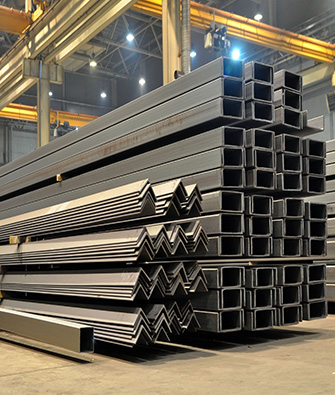
Industrial systems depend on a combination of components to move liquids, gases, and chemicals throughout the facility. Pipes and fittings are essential in maintaining continuous flow across different sections. Various materials and configurations are used to match the necessities of specific sectors. Pipes and fittings suppliers in UAE provide these parts to manufacturing units, processing plants, and utility systems.
Materials used in industrial piping:
Industrial pipes are made from materials that are selected based on strength, pressure capacity, and resistance to corrosion. Steel, stainless steel, copper, and plastic are commonly applied in different sectors. For example, stainless steel is selected in food production and chemical processing due to its resistance to contamination. Pipes and fittings suppliers carry these in different sizes and pressure ratings to match system specifications.
Types of fittings in industrial systems:
Fittings in industrial setups are designed to join, divert, or change the flow in pipelines. Elbows are used to change direction, tees distribute flow to branches, and flanges allow parts to be dismantled easily. Unions, couplings, and reducers are selected depending on the purpose of the line. Fittings are available in threaded, welded, or flanged types, depending on the installation process.
Flow control and safety:
Along with carrying fluids, industrial piping systems manage flow speed and direction. Valves are fitted along the pipelines to open, shut, or adjust flow levels. Pressure relief valves are used to prevent overloading in the system. Safety features like check valves prevent reverse flow. These components are supported by fittings that match the pipe size and material.
Piping in high-pressure applications:
Some industrial settings operate with high pressure or temperature. These conditions want pipes and fittings that can handle heavy use and thermal expansion. Steel and alloy pipes are selected in such cases. Welded fittings are often used in these systems for strength and durability. Pipes and fittings suppliers provide tested and graded parts for such operations.
Support structures and installation:
Pipes in industrial buildings are placed using supports such as clamps, hangers, and brackets. These hold the pipes in position and protect them from vibration or movement. Fittings must also be aligned precisely to maintain flow and prevent leakage. Proper installation depends on the compatibility of pipes, fittings, and support hardware.